Story
NCLEX-RN Study Plan: 7 Effective Tips to Prepare for Success
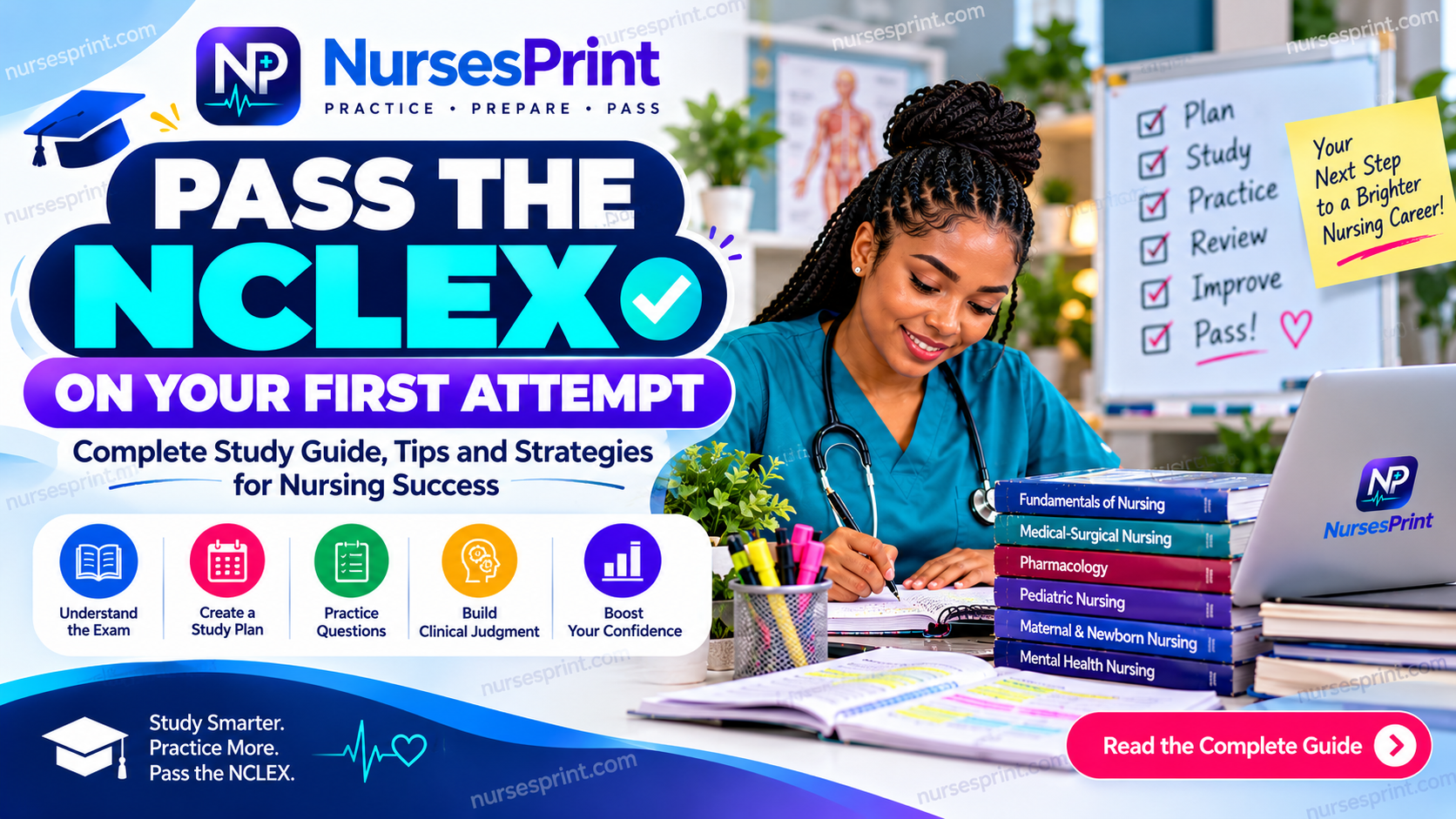
Preparing for the NCLEX-RN can be challenging, especially when you have several nursing subjects to review and limited time before your examination. However, a well-organized NCLEX-RN study plan can make your preparation more manageable and productive.
The NCLEX-RN evaluates whether aspiring registered nurses can apply essential nursing knowledge and make safe clinical decisions. Success requires more than memorizing textbooks. You must understand nursing concepts and apply them to realistic patient scenarios.
This guide explains seven practical strategies to help you prepare effectively and approach your examination with confidence.
1. Understand the NCLEX-RN Exam Content
Before beginning your revision, understand what the examination evaluates.
The NCLEX-RN covers important areas of nursing practice, including:
Management of care
Safety and infection prevention
Health promotion and maintenance
Psychosocial integrity
Pharmacological therapies
Physiological adaptation
Review the official NCLEX examination resources from the National Council of State Boards of Nursing to familiarize yourself with the examination requirements.
Understanding the test structure helps you identify important subjects and organize your preparation.
2. Develop a Realistic NCLEX-RN Study Schedule
An effective study schedule should match your available time and learning needs.
Instead of studying randomly, assign specific subjects to different days.
For example:
Day | Study Focus |
|---|---|
Monday | Fundamentals of Nursing |
Tuesday | Pharmacology |
Wednesday | Medical-Surgical Nursing |
Thursday | Maternal and Newborn Nursing |
Friday | Pediatric Nursing |
Saturday | Mental Health Nursing |
Sunday | Practice Questions and Revision |
Adjust this schedule according to your strengths and weaknesses.
Consistency is more valuable than studying for excessive hours without sufficient concentration.
3. Practice NCLEX-RN Questions Every Day
Regular practice helps you become familiar with examination-style questions while improving your clinical reasoning.
Set a manageable daily question target based on your available study time.
After completing each session, review the explanations carefully.
Focus on understanding why the correct answer is appropriate rather than memorizing individual responses.
You can explore nursing examination preparation resources through NursesPrint to support your revision.
4. Strengthen Your Clinical Judgment Skills
Clinical judgment is essential for safe nursing practice.
The NCLEX-RN assesses your ability to recognize important patient information, identify potential complications and select appropriate nursing interventions.
Practice interpreting clinical scenarios involving patient deterioration, medication administration and emergency situations.
Pay particular attention to prioritization questions that require identifying patients needing immediate attention.
These exercises can strengthen your decision-making abilities.
5. Use Active Recall and Spaced Repetition
Reading the same textbook repeatedly is not always the most effective learning strategy.
Active recall involves testing your memory without immediately referring to your notes.
Spaced repetition involves reviewing information at increasing intervals to reinforce retention.
You can combine these techniques using flashcards, short quizzes and practice questions.
For additional learning strategies, explore the Learning Scientists' evidence-based study resources.
Applying effective learning techniques can make your revision sessions more productive.
6. Review Incorrect Answers Carefully
Mistakes provide valuable opportunities to identify weaknesses.
After completing practice questions, record the topics you find difficult.
Review the relevant nursing concepts and attempt similar questions later.
For example, if you frequently struggle with medication calculations, dedicate additional time to dosage calculations and medication safety.
Tracking your progress helps you concentrate on areas requiring improvement.
7. Prepare for Exam Day With Confidence
Your final preparation should include adequate rest and a clear understanding of examination procedures.
Avoid overwhelming yourself with unfamiliar material immediately before the examination.
Confirm your examination appointment and required identification documents.
During the test, read every question carefully and consider the patient's immediate needs.
Remember that difficult questions are part of the examination process.
Maintaining concentration is more useful than worrying about previous answers.
Final Thoughts: Build Your NCLEX-RN Success Strategy
An effective NCLEX-RN study plan combines structured revision, consistent practice and strong clinical judgment.
Start by identifying your weaknesses and creating achievable daily learning goals.
Review difficult concepts regularly and measure your progress through practice questions.
Most importantly, remain consistent throughout your preparation.
Ready to take your nursing exam preparation further?
Visit NursesPrint to explore nursing study resources and strengthen your examination readiness.
Practice. Prepare. Build Confidence. Take the Next Step Toward Your Nursing Career.